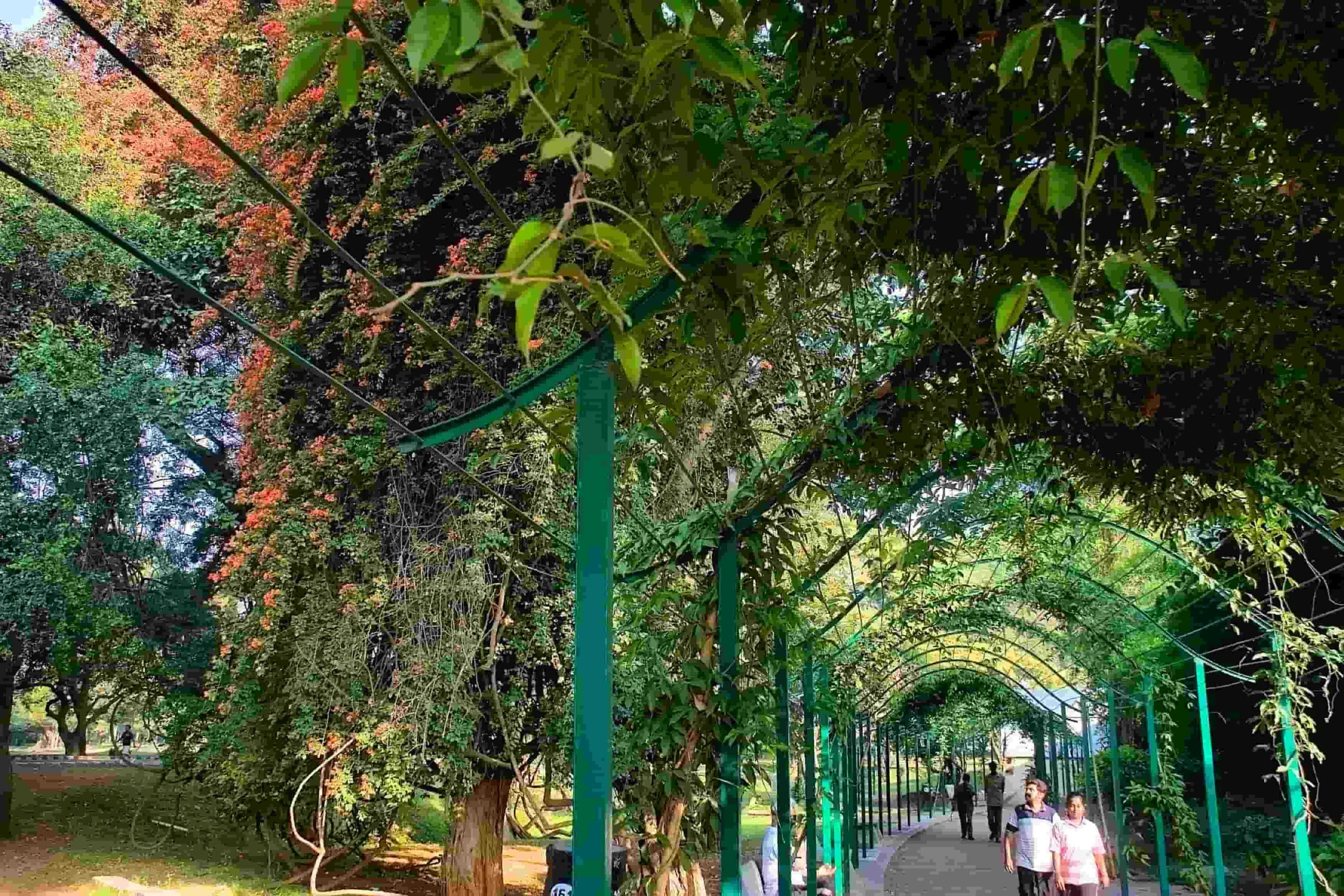
Nestled in the heart of Bengaluru, Lalbagh Botanical Garden is far more than just a patch of green in the middle of a bustling city. Located in the southern part of the city, this historic garden spreads across 240 acres and offers a refreshing escape from the busy urban environment.
If you enjoy nature, peaceful walks, or photography, you will instantly connect with Lalbagh. The garden features rare plant species, wide green lawns, beautiful trees, and well-maintained walking paths. Every corner of Lalbagh feels calm, fresh, and visually appealing.
The garden is managed by the Department of Horticulture, Government of Karnataka, and is home to over 1,854 species of plants drawn from across the globe. It also serves as an active centre for botanical research, horticulture education, and conservation. Its bi-annual flower shows draw hundreds of thousands of visitors every year, making it one of the most visited public spaces in all of South India.
If you are planning a visit to Lalbagh Botanical Garden in Bangalore, this guide will help you understand everything, from its history and attractions to timings, entry fees, and travel tips.
History of Lalbagh Botanical Garden
The history of Lalbagh Botanical Garden goes back to the 18th century, making it one of the oldest gardens in India. Hyder Ali, the ruler of Mysore, started building this garden around 1760. He wanted to create a royal garden inspired by Mughal-style landscapes, filled with exotic plants and symmetrical layouts.
Later, his son Tipu Sultan expanded Lalbagh and turned it into a major botanical collection. He imported plants and trees from countries like Persia, Afghanistan, and France. Because of his efforts, Lalbagh Botanical Garden became one of the first gardens in India to feature rare international plant species.
During British rule, the garden saw further development. The British introduced scientific methods of plant classification and added new sections to improve its botanical value. They also built the famous Glass House, inspired by London’s Crystal Palace, which still stands as a major attraction today.
The name Lalbagh, meaning ‘Red Garden’ in Urdu, is believed to refer to the profusion of red roses that once dominated its landscape. Today, the garden retains its historical character while continuing to serve as an active botanical and horticultural resource for the entire state of Karnataka.
Key Attractions Inside Lalbagh
Lalbagh is not merely a garden to walk through, it is an immersive experience spanning architecture, natural history, horticulture, and cultural heritage. Here are the standout attractions that visitors should not miss.
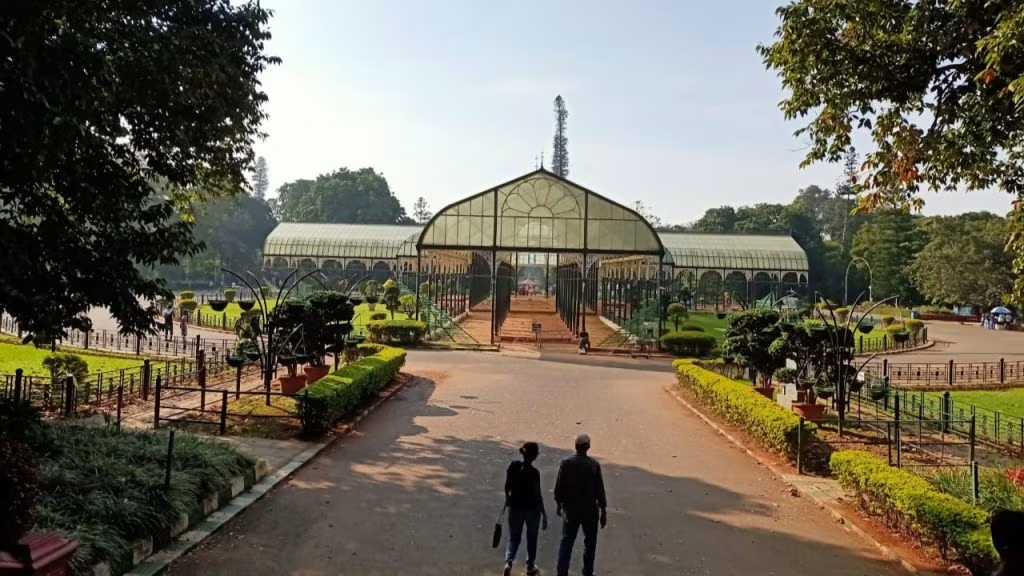
Glass House Lalbagh Botanical Garden
The Glass House is, without question, the crown jewel of Lalbagh. This magnificent iron-and-glass structure was built in 1889 to mark the visit of the Prince of Wales to Bengaluru.
You will find the Glass House right at the centre of the garden, and it immediately stands out because of its elegant architecture. Even on regular days, it attracts visitors who want to admire its design and take photos.
The main highlight of the Glass House is the Lalbagh flower show. During this time, the entire structure gets decorated with thousands of flowers arranged in creative themes. The displays often include replicas of monuments, cultural symbols, and artistic floral patterns.
If you visit Lalbagh during the flower show, this is the first place you should head to.
Lalbagh Lake
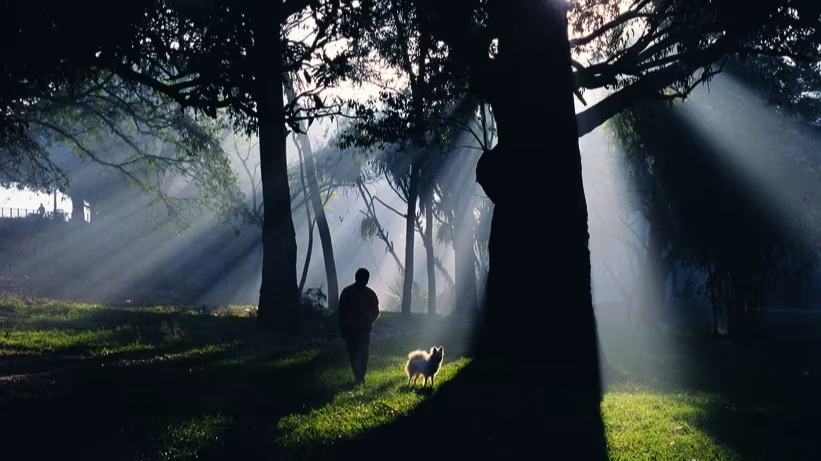
Lalbagh Lake is one of the most peaceful areas in the garden. If you visit early in the morning, you will experience cool air, soft sunlight, and a calm atmosphere that feels completely refreshing.
You can walk along the lake, sit by the water, or simply enjoy the natural surroundings. The lake also attracts birds, making it a good spot for birdwatching and photography.
Peninsular Gneiss Rock & Kempegowda Watchtower
One of the most unique attractions inside Lalbagh Botanical Garden is the Peninsular Gneiss rock. This rock formation is over 3,000 million years old, making it one of the oldest geological formations in the world.
Perched atop this remarkable rock is the Kempegowda Watchtower, a small but historically significant structure built by Kempe Gowda I, the founder of Bengaluru, in the 16th century. The watchtower was one of four towers he constructed to mark the boundaries of his newly founded city. Today, it stands as a quiet reminder of Bengaluru’s pre-colonial origins.
If you enjoy sunrise views, this is one of the best spots inside the garden.
Bonsai Garden, Floral Clock & More
Apart from the main attractions, Lalbagh also features several smaller but interesting sections that you should explore.
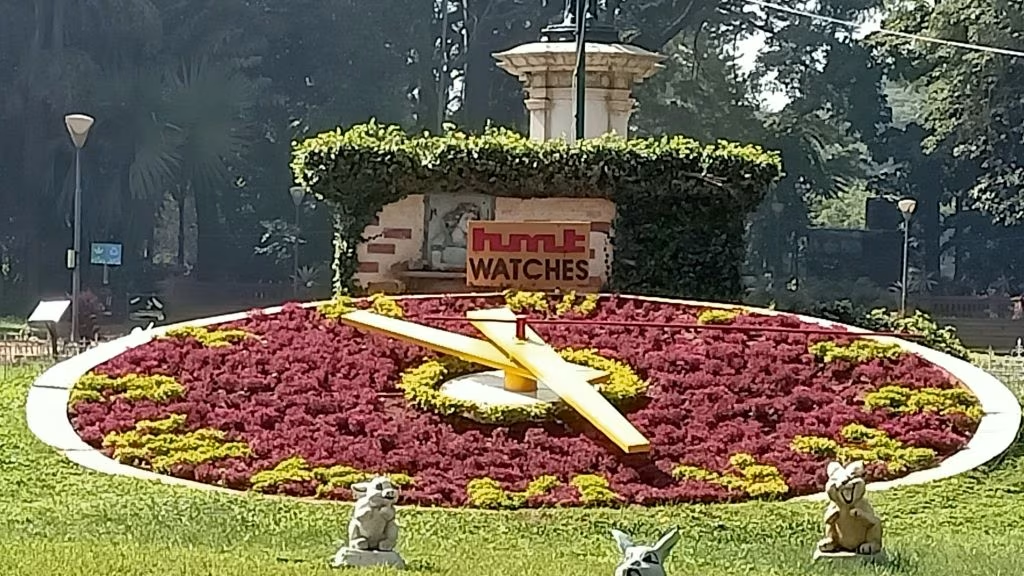
The Bonsai Garden displays carefully shaped miniature trees that show the art of plant cultivation. The Floral Clock combines design and functionality, as it uses plants to form a working clock. The Rose Garden adds color to your visit with a wide variety of roses, while the Topiary Garden showcases plants shaped into creative forms.
Other notable attractions within the garden include a 20-million-year-old petrified tree fossil near the Bandstand, an Aquarium building, a Deer Paddock, the Hibiscus Garden, and a Museum. Visitors can also spot the 250-year-old White Silk Cotton tree (Ceiba pentandra) or Kapok tree, one of the oldest in the park.
The garden also houses a Horticulture Information Centre, a Library, and a Nursery run by the Karnataka Horticulture Directorate, from which visitors can purchase plants, seeds, and gardening supplies at reasonable prices.
Other Attractions Inside Lalbagh Botanical Garden
| Attraction | Description |
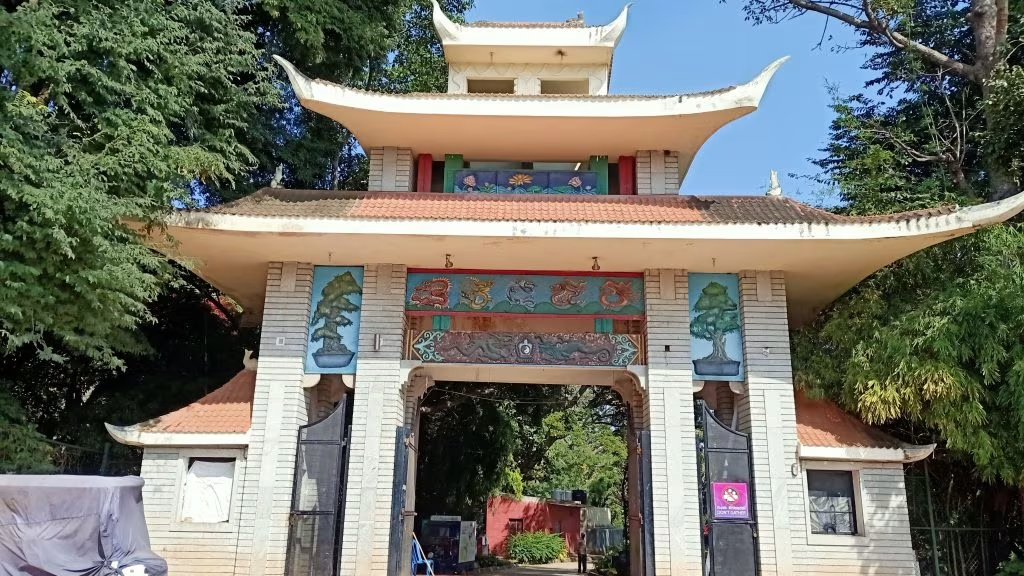
| Japanese Garden | A peaceful landscaped section inspired by Japanese gardening styles, featuring ornamental plants and serene walking paths. |
| Band Stand | A historic structure from the colonial era that once hosted musical performances and public gatherings. |
| Lotus Pond | A tranquil waterbody that becomes especially attractive during the blooming season and is popular among photographers. |
| Deer Paddock | A dedicated enclosure where visitors can observe spotted deer in a natural green setting. |
| Aquarium | A small aquarium facility that adds educational and recreational value for families and children. |
| Rose Garden | A colourful section showcasing numerous varieties of roses, reflecting Lalbagh’s historic association with rose cultivation. |
| Topiary Garden | Features ornamental plants trimmed into artistic shapes and creative designs. |
| Fossil Tree | A petrified tree fossil estimated to be around 20 million years old, highlighting the garden’s geological significance. |
| Nursery | Operated by the Department of Horticulture, offering plants, saplings, seeds, and gardening supplies for purchase. |
| Horticulture Information Centre | Provides information on gardening practices, plant species, and horticultural initiatives in Karnataka. |
| Library | A specialised horticultural library containing books and reference material related to botany and gardening. |
| Fountains | Decorative fountains located across the garden that enhance the landscape and visitor experience. |
| Pigeon House | A traditional structure that serves as a habitat for pigeons and adds to the garden’s heritage character. |
| Open Lawns | Large green spaces ideal for relaxation, picnics, photography, and enjoying the garden’s natural ambience. |
| Statue & Memorial Areas | Various statues and commemorative installations that celebrate historical and cultural figures associated with Karnataka. |
| White Silk Cotton Tree | A majestic 250-year-old tree considered one of the oldest and most iconic specimens within Lalbagh. |
| Hibiscus Garden | A colourful collection of hibiscus varieties displaying different flower shapes and colours. |
| Bamboo Groves | Dense clusters of bamboo that create a unique landscape and provide shaded walking areas. |
Lalbagh Botanical Garden Flower Show
The Lalbagh Botanical Garden flower show is one of the biggest highlights of the garden. If you want to experience Lalbagh at its most vibrant and colorful, you should plan your visit during this time.
The flower show takes place twice every year:
- Around Republic Day (January)
- Around Independence Day (August)
Each edition of the show centres on a theme that pays tribute to a significant figure or event in Indian history. Past themes have honoured Dr. B.R. Ambedkar, freedom fighters Rani Chennamma and Sangolli Rayanna, and the Ramayana, among others. The installations often feature life-size or monumental floral replicas, for instance, a 32-foot replica of the Parliament of India crafted from over three lakh roses and two lakh chrysanthemums for the 2024 Independence Day edition. The sheer scale and artistry of these displays is genuinely awe-inspiring.
The flower show typically features over 85 varieties of flowers, including zinnias, petunias, marigolds, roses, cosmos, and rare temperate species sourced from garden centres across Karnataka. Competitions, workshops on Ikebana (Japanese floral arrangement), bonsai, vegetable carving, and guided tours for school groups are also part of the programme.
If you enjoy photography, this is the best time to capture Lalbagh in its most colorful form.
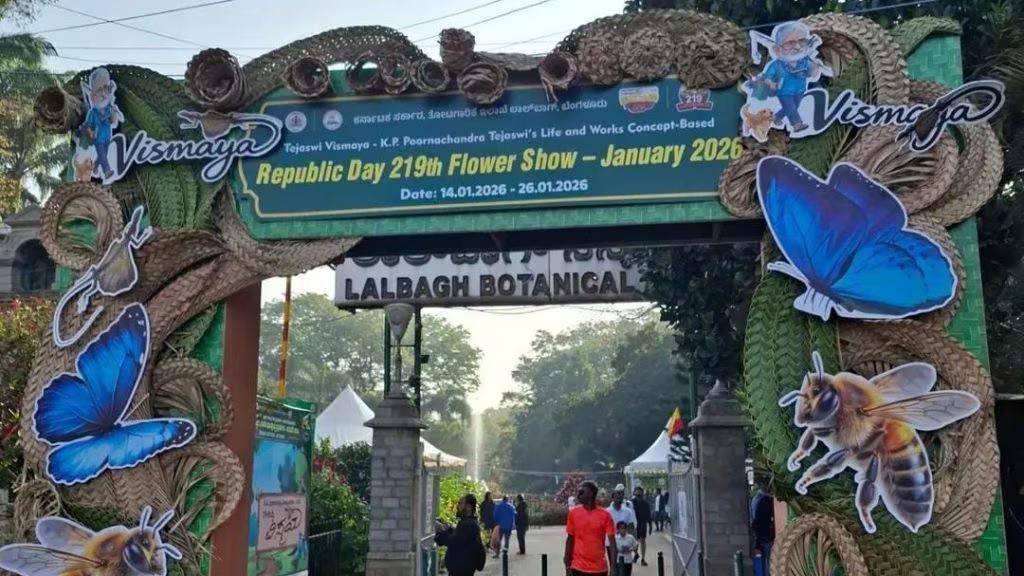
Flower Show Tips: Visit on a weekday morning to avoid peak crowds. Gates open at 7:00 AM during the show. Arrive early for the best photographs and parking availability.
Lalbagh Botanical Garden Timings
Lalbagh Botanical Garden is open every day of the year, including Sundays and public holidays. The garden follows a split-entry policy; early morning and evening hours are free of charge for walkers, while a nominal entry fee applies during daytime hours.
| Category | Timings | Notes |
| Morning Walk (Free Entry) | 6:00 AM – 9:00 AM | No ticket required |
| General Visitors (Adults) | 9:00 AM – 6:00 PM | Entry fee applicable |
| Evening Walk (Free Entry) | 6:00 PM – 7:00 PM | No ticket required |
| Flower Show Days | 7:00 AM – 7:00 PM | Special ticket required |
| Last Entry | 6:30 PM | Gates close at 7:00 PM |
Note: Timings may be extended during flower show periods. It is advisable to verify current hours via the official Karnataka Horticulture Department website before your visit.
Lalbagh Botanical Garden Entry Fee & Tickets
| Category | Entry Fee |
| Adults | ₹30 |
| Children (below 12 years) | Free |
| Morning Walkers (6 AM – 9 AM) | Free |
| Evening Entry (6 PM – 7 PM) | Free |
| Flower Show Entry | ₹50 – ₹100 (varies by event) |
You can buy Lalbagh Botanical Garden tickets directly at the entrance gates. The process is quick, but during weekends and flower shows, you may have to wait in line.
If you want to avoid crowds and enjoy Lalbagh without paying an entry fee, you should visit during the free entry hours in the morning or evening.
During the Lalbagh Botanical Garden flower show, special ticket pricing applies because of the large-scale exhibition. It is always better to visit early in the day to avoid long queues. You can visit the official website here for more updates.
How to Reach Lalbagh Botanical Garden
By Metro
The easiest way to reach Lalbagh Botanical Garden is by metro. You can take the Green Line and get off at Lalbagh Metro Station. The station is located right next to one of the main entrances, so you can walk to the garden within a few minutes.
By Bus
BMTC buses connect Lalbagh Botanical Garden, Bangalore, to almost every part of the city. You will find frequent buses from major areas like Majestic, Jayanagar, and Banashankari. This option works well if you want a budget-friendly way to travel.
By Car or Auto
You can also reach Lalbagh easily by car, taxi, or auto-rickshaw. The garden is accessible via areas like Jayanagar and Basavanagudi. Parking is available near the main gates, but it can get crowded during weekends and flower shows.
By Train
If you are coming from outside Bangalore, you can reach Krantivira Sangolli Rayanna Railway Station (Majestic) and then take a metro, bus, or taxi to Lalbagh. The distance is around 6-7 km.
Best Time to Visit Lalbagh
Best Time of the Day
Early morning is the best time to visit Lalbagh. Between 6:00 AM and 9:00 AM, the weather feels cool, the air feels fresh, and the garden looks calm and less crowded. This is perfect for walking, jogging, or simply relaxing.
Evenings also offer a pleasant experience. You can enjoy a peaceful stroll after sunset, but expect slightly more crowds compared to mornings.
Best Season to Visit
The winter months, from November to February, offer the most comfortable weather. The temperature stays pleasant, which makes it ideal for exploring the entire garden without feeling tired.
Best Time for Special Experience
If you want to see Lalbagh at its most vibrant, you should visit during the flower show in January or August. During this time, the garden looks colourful and lively, especially around the Glass House.
When to Avoid
Avoid visiting during peak afternoon hours, especially in summer, as the heat can make walking uncomfortable. Weekends and holidays can also get crowded, particularly near major attractions.
If you want the best overall experience, choose a weekday morning during the winter season.
Visitor Tips & Facilities
Useful Visitor Tips
- Start early – Visit in the morning for a refreshing experience
- Wear comfortable shoes – You will walk a lot inside the garden
- Carry water – Especially if you plan to visit during the day
- Avoid peak hours – Weekends and afternoons can get crowded
- Respect nature – Do not pluck flowers or step on restricted areas
- Plan your route – Cover major attractions like the Glass House, the lake, and the rock formation first
Facilities Available Inside Lalbagh
Lalbagh Botanical Garden provides basic facilities to ensure a comfortable visit:
- Drinking water points available across the garden
- Clean restrooms near major entrances
- Seating areas and benches for relaxation
- Electric buggies for those who prefer not to walk long distances
- Food stalls offering snacks and refreshments
- EV Cycle Rentals: Available at the East and North gates (Approx. ₹100/hr).
- Guided “Lalbagh Walks” are now available for ecological enthusiasts.
Photography & Accessibility
- Photography is allowed for personal use, making Lalbagh a great place for capturing nature and landscapes
- The garden is senior-friendly, thanks to wide paths and buggy services
- Entry gates are easily accessible from multiple sides of the city
With these tips in mind, you can explore Lalbagh comfortably and enjoy every part of your visit without any hassle.
Places to Visit Near Lalbagh
Lalbagh’s central location in South Bengaluru places it within easy reach of several other significant attractions:
Cubbon Park (6 km)
Another of Bengaluru’s beloved green lungs, Cubbon Park covers 300 acres in the heart of the Central Business District and houses several heritage buildings, including the State Central Library and Attara Kacheri.
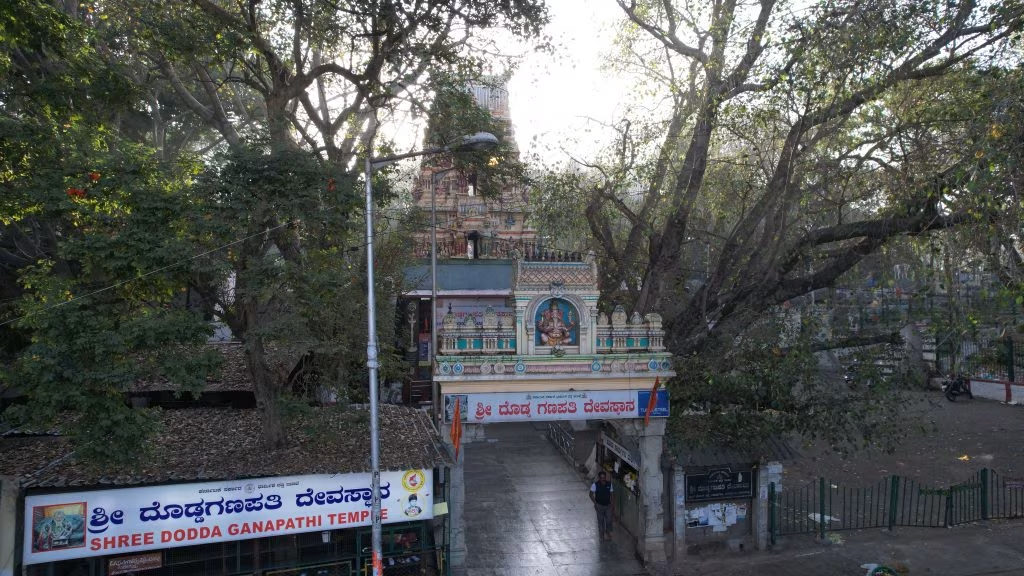
Bull Temple (Dodda Ganapathi Temple Complex, 2 km)
One of the oldest temples in Bengaluru, this Dravidian-style shrine is home to a monolithic Nandi bull and is particularly busy on Mondays.
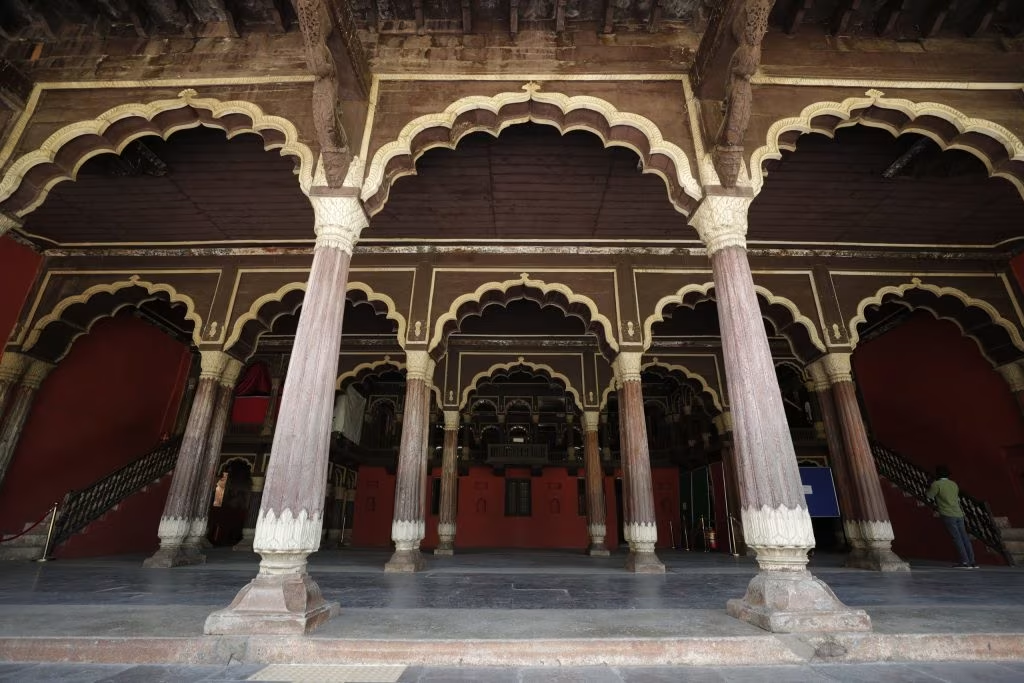
Tipu Sultan’s Summer Palace (4 km)
A beautifully preserved Indo-Islamic wooden palace built during Tipu Sultan’s reign, located near Bengaluru Fort in the KR Market area.
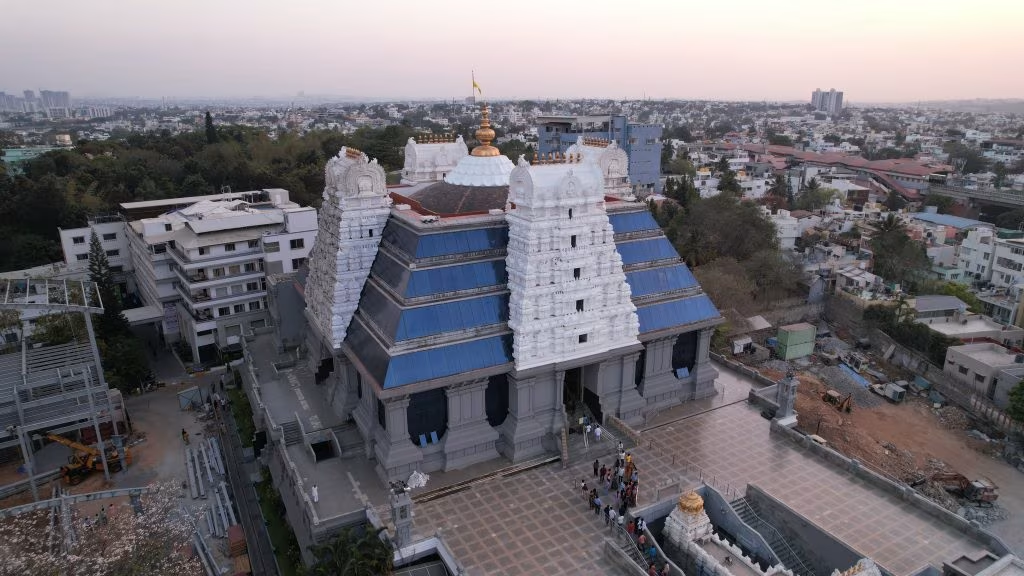
ISKCON Temple Bengaluru (10 km)
One of the largest ISKCON temples in the world, located in Rajajinagar, offering a striking blend of modern architecture and traditional devotional spaces.
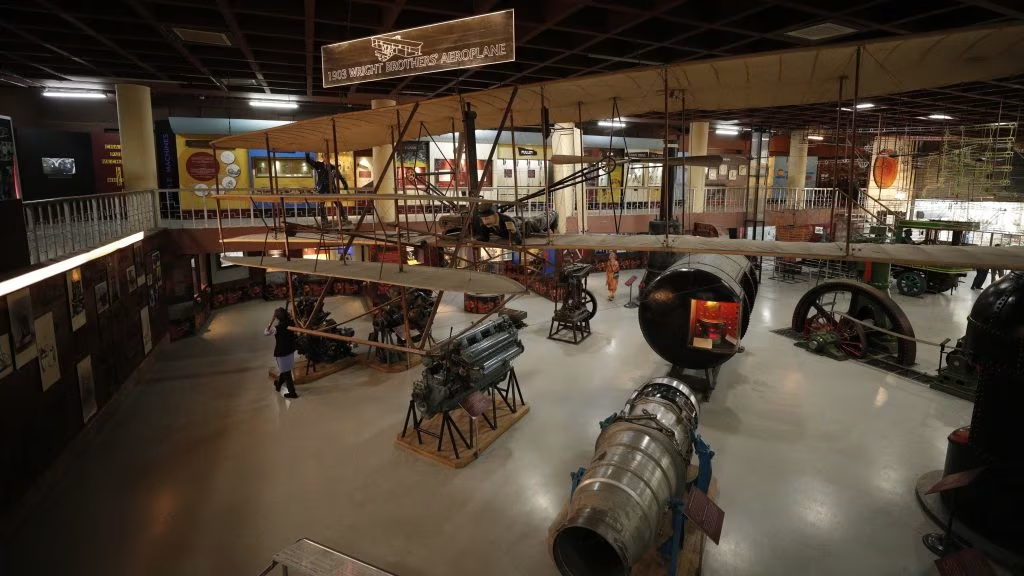
Visvesvaraya Industrial and Technological Museum (7 km)
A science and technology museum near Cubbon Park, ideal for families visiting with children.
KR Market (Krishnarajendra Market, 3 km)
One of South Asia’s largest flower markets and a fascinating sensory experience, particularly early in the morning when trading is at its peak.
Conclusion
Lalbagh Botanical Garden is Bengaluru’s most enduring green landmark, a place where history, nature, and horticulture come together across 240 remarkable acres. Whether you are visiting for the iconic Flower Show, a peaceful morning walk, or simply to explore its centuries-old trees and Victorian Glass House, Lalbagh never disappoints.
Plan your visit, arrive early, and experience one of South India’s finest botanical treasures for yourself.
FAQs
What are the timings of Lalbagh Botanical Garden?
Lalbagh Botanical Garden is open from 6:00 AM to 6:00 PM. You can enter for free during early morning (6 AM – 9 AM) and evening (6 PM – 7 PM) hours.
What is the entry fee for Lalbagh Botanical Garden?
The entry fee is ₹30 for Indian adults and ₹200 for foreign nationals, while children below 12 years can enter for free. During the flower show, ticket prices may increase.
How to reach Lalbagh Botanical Garden by metro?
You can take the Green Line metro and get off at Lalbagh Metro Station. The garden entrance is just a short walk from the station.
When is the Lalbagh flower show held?
The Lalbagh flower show takes place twice a year, during Republic Day (January) and Independence Day (August).
What is the Glass House at Lalbagh?
The Glass House is a historic structure made of glass and iron. It hosts the famous flower show and stands as one of the main attractions inside Lalbagh.
Is photography allowed inside Lalbagh Botanical Garden?
Yes, you can take photos for personal use. Lalbagh is a great place for nature and landscape photography.
Who built Lalbagh Botanical Garden?
Hyder Ali started Lalbagh, and his son Tipu Sultan later expanded it by adding rare plant species and improving the garden.
Is Lalbagh Botanical Garden open on Sundays?
Yes, Lalbagh remains open on all days, including Sundays and public holidays.
What is the best time to visit Lalbagh?
Early morning is the best time to visit. The weather feels pleasant, and the garden is less crowded.
Are electric buggies available in Lalbagh?
Yes, electric buggy services are available for visitors who prefer not to walk long distances.